 Uyuni Salt Flats Trips
What to Pack for the Uyuni Salt Flats
What to pack for Uyuni salt flats tours comes down to one idea: you are dressing for four seasons in a single day. Daytime highs at Uyuni town, which sits at 3,656-3,700 m depending on the source, reach about 19°C in the warmest months while night lows average about -4°C in winter. This packing list covers the clothes, the cash, the boots and the small items that make the difference on a day loop or a 3-day route through the Eduardo Avaroa reserve. It draws on the actual conditions recorded at Uyuni between 2016 and 2025 and on what the tour listings themselves tell passengers to bring. Pair it with the Uyuni salt flats tour comparison to see what your own booking supplies.
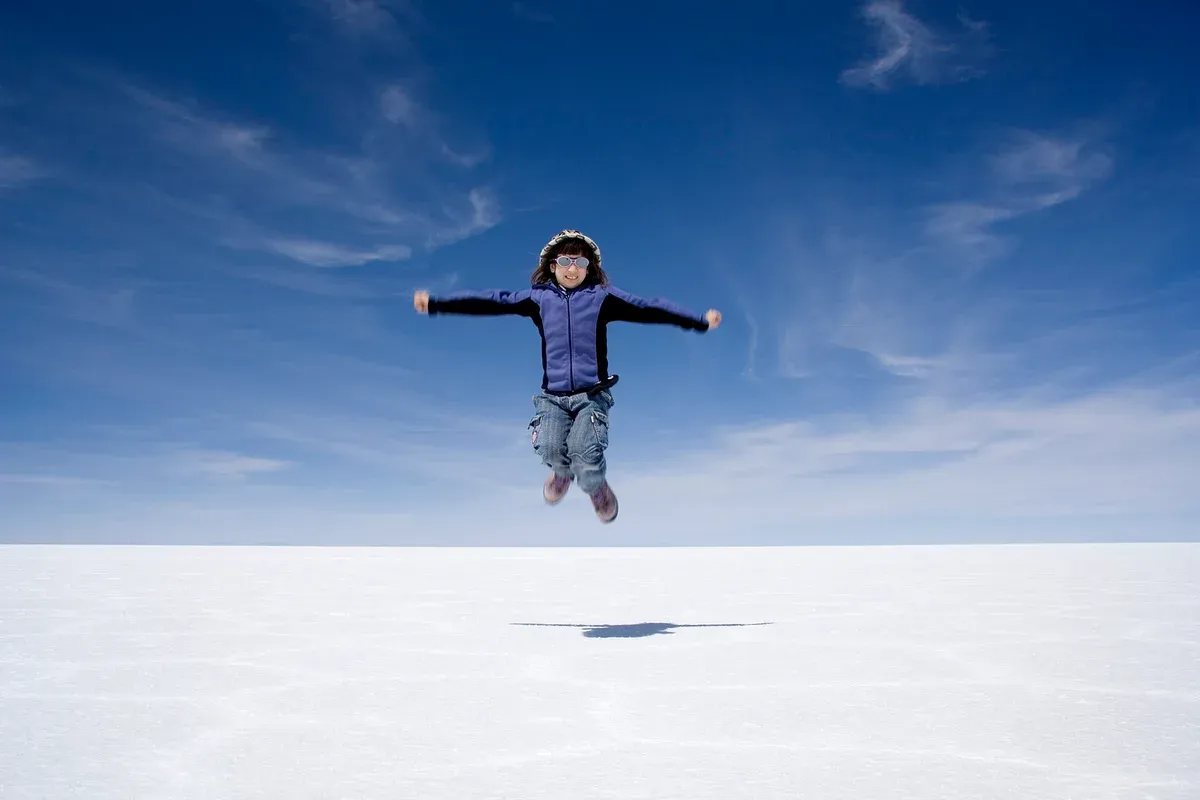
The flat horizon is what makes the perspective photos work. Photo: Klaas vaak ( Lucag ), CC BY-SA 2.5, via Wikimedia Commons
Quick answer The short packing list
Pack in layers: daytime highs at Uyuni run from about 11°C in June to 19.6°C in December, while winter night lows average between -3.7°C and -4.0°C, so you need a warm jacket, a hat and gloves no matter when you go. Add sunglasses and strong sunscreen, because the salt reflects glare at 3,663 m of altitude. Bring cash in bolivianos, since the Eduardo Avaroa reserve fee of 150 Bs (about $13) and the Incahuasi Island fee of 30 Bs (about $3) are paid in cash and are usually not in the tour price.
Key takeaways
- See which cash fees and rentals sit on top of each price in the Uyuni tour cost guide.
- For a 3-day route through the lagoons, check what the 3-day Uyuni and Laguna Colorada tour excludes so you can budget the cash.
- Compare Salar de Uyuni tours side by side by season, route and inclusions before you pack around one booking.
- Read the best time to visit Uyuni if you have not chosen your months yet.
Clothes for the Temperature Range
The single biggest packing mistake at Uyuni is dressing only for the day. The gap between the afternoon high and the night low is the packing problem you are solving.
What the Climate Data Actually Shows
The figures below come from the Open-Meteo ERA5 archive for Uyuni town, averaged over 2016 to 2025. They are measured values, not guidebook guesses. The average night low stays above freezing only from October through April. From May to September it sits below zero, bottoming out near -4°C in June. On the 3-day southwest route the second night is spent beside Laguna Colorada at 4,278 m, inside a reserve that spans 4,200 m to 5,400 m, so the nights there are colder still. Pack as if every evening will be a winter evening.
The wet season runs from December to March. January averages 95.8 mm of rain over about 15 rainy days, and February 85.0 mm over about 15 days. That means a rain shell and shoes you do not mind soaking, because the mirror effect that draws visitors in these months comes from standing water on the salt.
| Month | Avg day high | Avg night low | Avg rainy days |
|---|---|---|---|
| January | 18.2°C | 5.3°C | 15.3 |
| February | 17.8°C | 5.1°C | 14.8 |
| March | 17.7°C | 4.1°C | 8.7 |
| April | 16.7°C | 0.6°C | 0.7 |
| May | 13.5°C | -2.2°C | 0.0 |
| June | 11.0°C | -4.0°C | 0.3 |
| July | 11.8°C | -3.9°C | 0.5 |
| August | 13.1°C | -3.7°C | 0.2 |
| September | 16.1°C | -1.1°C | 0.8 |
| October | 18.2°C | 0.3°C | 0.7 |
| November | 19.3°C | 2.3°C | 2.8 |
| December | 19.6°C | 4.8°C | 8.1 |
The Layering System That Works
Four layers cover the whole range. A base layer for the morning departure, when jeeps leave Uyuni around 10am with the air still cold. A fleece or light mid layer for the day. A windproof outer shell, because the salar is a flat white plain 126 km long and 84 km wide with nothing to break the wind. And a warm insulated jacket for the evening stops and, on multi-day routes, the refuge nights.
Add a warm hat and gloves year-round. On the sunset and stargazing tours the operators say it plainly: the listing for the sunset and stargazing tour tells passengers to bring warm layers, gloves and a hat because nights on the salt flat get cold. Stargazing means standing still in the dark at 3,663 m, which is far colder than walking around at midday. Thermal leggings are worth the space in a daypack from May to September, when the low averages below -1°C even in September.
Footwear for Salt, Water and Volcanic Ground
In the dry season, from April to November, comfortable closed walking shoes are enough. The salt crust averages 8 meters thick and is hard underfoot, though salt crystals are abrasive, so shoes you care about will suffer. In the wet season you need waterproof footwear with grip, because the mirror effect forms where 2-20 cm of water stands on the salt, and one field visit measured the layer at 1.8 cm. Some tours supply rubber boots themselves: the sunset and stargazing tour includes waterproof wellies in the price, and the sunset mirror effect day tour supplies rain boots for walking in the water, so check before you buy your own. The On Experiences 3-day route lists rubber boots as not included.
On the 3-day routes you also walk on volcanic ground. The Sol de Mañana geyser field sits at about 4,900 m and the trail loop on Isla Incahuasi takes 30 to 45 minutes on a rocky path with a 15 to 20 minute climb, so a shoe with a firm, gripping sole beats a thin sneaker there.
Sources: Salar de Uyuni on Wikipedia and UK travel advice for Bolivia.
Sun and Glare at Altitude
Uyuni combines three glare sources at once: high altitude, a southern-hemisphere sun and a white salt surface that reflects light from below as well as above.
Sunglasses Are Not Optional
Most listings that print a packing list name sunglasses. One day-tour listing puts them next to trekking shoes, sunscreen and a passport, and the 1-day sunset and 3-day San Pedro listings both name them too. The reason is the surface itself: the salar covers 10,582 km² of white salt with an elevation that varies by less than one meter across the whole area, so there is no shade and no escape from reflected light.
In the wet season a thin sheet of water turns the flat into a mirror about 129 km across, reflecting the sky as well as the sun. Bring sunglasses with full UV blocking, not fashion lenses, and consider a strap so you can take them off during the perspective photos without losing them.
Sunscreen and a Hat
The salar sits at about 3,663 m, and the highest stops on the southwest route reach about 4,900 m at the geysers, inside a reserve that climbs to 5,400 m. Apply a high-factor sunscreen before the morning departure and reapply at midday. A wide-brimmed hat or a cap with a neck flap covers the hours at the photo stops.
Lip balm with sun protection matters too, because lips burn fast in dry, thin air. A small moisturizer helps on a 3-day route, where you spend 2 nights in dry high-desert air.
What to Pack For Uyuni Salt Flats on Video
Practical points before a salar tour, from clothes to the cold nights. Third-party video by Alex Chacon. We did not shoot it and have no relationship with the creator.
Sleeping Bags and Refuge Nights
On a one-day tour you sleep in your own hotel in Uyuni. On a 3-day route the second night is a basic refuge, and the sleeping bag question decides how warm you are.
Which Tours Include a Sleeping Bag
The answer varies by operator, and it is the kind of detail that changes what you pack. The 3-day salt flat and colored lagoons tour lists the sleeping bag rental as excluded from its $290 price, which means you either rent one on arrival or bring a liner and sleep in your clothes. The 3-day tour ending in San Pedro de Atacama includes a sleeping bag from May to September for the cold winter nights, so in the warmer months you would need to arrange one. The Tours Transandino 3-day route also excludes the sleeping bag rental, and the 4-day route from San Pedro states nothing either way, so ask before you book.
What does not vary is the standard of the refuges. The second-night lodge on the San Pedro route is described as basic with no heating, hot showers work about 75% of the time, and internet access is very limited on day 2. Pack a dry sleeping-bag liner, dry socks and a base layer to sleep in. A liner also adds warmth to a rented bag on a night that runs below the -4°C Uyuni town average in winter.
Small Comforts That Earn Their Weight
A headlamp or head torch is essential for refuge nights, because the second-night dormitory sleeps 2 to 6 and the bathroom is shared. On the 4-day route from San Pedro the listing itself tells passengers to bring toilet paper since it is not always provided at the overnight stops. Add a quick-dry towel, wet wipes, a power bank for charging phones when plugs are scarce, and any personal medication for the 3 days away from Uyuni.
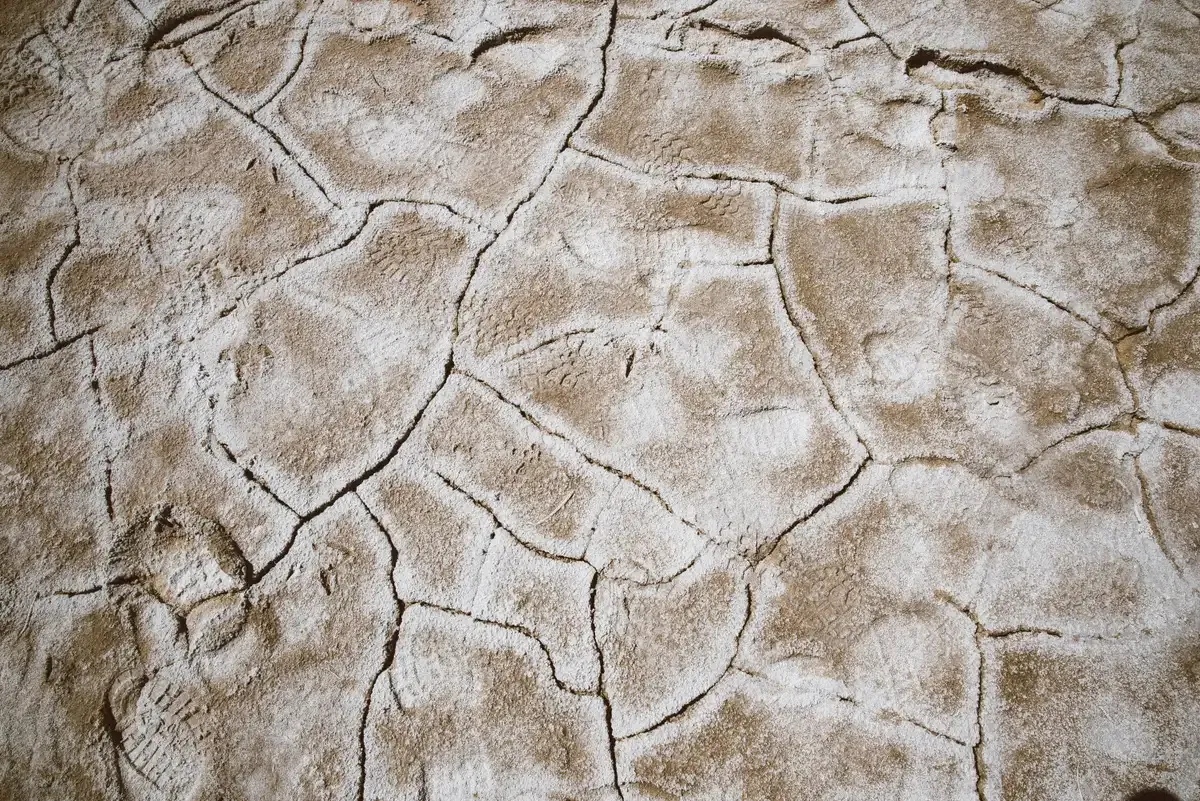
The salt crust close up. Photo: Sandra Chile sandrachile, CC0, via Wikimedia Commons
Cash in Bolivianos for the Fees
Most listings price the jeep, the driver, the meals and the beds, and leave the entrance fees to be paid in cash on the way. Your packing list therefore includes money, not just gear.
What You Pay in Cash on the Route
The Eduardo Avaroa Andean Fauna National Reserve charges foreign visitors 150 Bs (about $13), cash only, and this fee is usually not included in tour packages. Isla Incahuasi charges around 30 Bs (about $3) per person at a booth at the island's base, also cash. The Termas de Polques hot springs charge around 5 Bs for the changing facilities. On a 3-day route you can hit all three, 185 Bs in total, so 200 Bs (about $18) per person in small boliviano notes covers the entrances with a little margin. The 4-day listing from San Pedro de Atacama suggests 300 Bs for entrances and purchases.
There are no ATMs or cash exchange points near the salt flat. One day-tour listing states this directly and tells passengers to bring cash for entrance fees for that reason. Bolivia runs a dual exchange-rate system: the central bank's official rate was 11.52 Bs per dollar on one sampled day, a higher parallel street rate also exists, and the dollar figures on this page use a market rate of 11.24 Bs.
| Fee | Amount in cash | Paid where |
|---|---|---|
| Eduardo Avaroa reserve entrance (foreigners) | 150 Bs (about $13) | Reserve entrance, cash only |
| Isla Incahuasi entrance | 30 Bs (about $3) | Booth at the island's base |
| Termas de Polques changing facilities | Around 5 Bs | Hot springs |
| Cash to carry per person, with margin | 200 Bs (about $18) | Small notes |
The Headline Price Is Not the Trip Price
The packing implication of fee exclusions is simple: budget the cash before you leave Uyuni town, because you cannot withdraw it later. The 3-day salt flat and colored lagoons tour lists at $290 with $62 in the booking platform mandatory extras on top, $352 in all, and the park entrances, the sleeping bag rental and the San Pedro transfer are excluded again beyond that. The 3-day Laguna Colorada route lists at $309.90, rises to $319.90 with extras, and separately excludes the 150 Bs reserve fee, the 30 Bs island fee and the optional $25 bus to San Pedro.
The full cost picture is in the Uyuni tour cost guide.
Water, Snacks and Photo Props
Tours feed you, but the day is long, the sun is strong and the best photos on the salar are made, not found.
Water and Snacks
Carry more water than you think you need. The 4-day route from San Pedro recommends carrying 5 liters of drinking water. The 3-day San Pedro listing includes water only during meals, and one day-tour listing puts water on its what-to-bring list rather than its inclusions, so fill bottles in Uyuni before you leave.
Bring snacks even when lunch is included. One sunset listing goes as far as naming 1 liter of mineral water and chocolate as not included despite advertising a sunset snack, so read the inclusions carefully. Nuts, biscuits and dried fruit survive a day that swings from about 18°C in the afternoon to near 5°C at night in summer, but finish any dried fruit before a crossing into Chile, where it is commonly barred.
Props for Perspective Photos
The famous forced-perspective photos of the salar need props, and the jeeps carry whatever you bring. Toy dinosaurs, condor figurines, a small bottle, a spare shoe and an empty crisp packet all work, because the flat white surface and the huge sky make a small object look enormous. Two tips: keep props light and unbreakable, since the salt crust averages 8 m thick and is hard, and take a small bag to carry them and any wrappers out with you.
A dry cloth or lens wipe for your phone or camera matters too, because salt dust and spray get on every lens on the flat.
Documents and What Not to Carry into Chile
If your route ends at the Hito Cajón border, your packing list has a legal section: Chilean agriculture rules decide what can cross.
Documents to Carry
Carry your passport in a waterproof sleeve on every tour, not just crossing routes. Day-tour listings name a passport or ID among the items to bring. All foreign travelers must complete Bolivia's SIGEMIG online immigration registration at the official portal before or on arrival, including minors, and non-compliance is fined on exit, so sort that before you board the jeep.
Keep the small cash for fees separate from your passport so you are not opening bags at every booth.
The SAG Rules at the Chilean Border
Anyone entering Chile must declare, under sworn declaration, any plant or animal-origin goods and byproducts they carry, and failure to declare risks fines and confiscation. Commonly barred items include milk, butter, cream and cheese, fresh fruit and vegetables, meats of any kind including cured meats and sausages, seeds, grains and dried fruit, and ornamental plants. That last packed lunch from the Uyuni tour, that piece of fruit in your daypack and that leather souvenir all fall under the declaration duty.
Eat or leave them before the Hito Cajón pass, where Bolivian customs are processed at 4,480 m, and where Chilean formalities are completed 45 km later in San Pedro de Atacama town. The border-crossing details are covered in the San Pedro de Atacama to Uyuni guide.
The Uyuni Packing Checklist
Everything on this page in one list, to tick off the night before the jeep leaves.
Tick It Off Before You Leave Uyuni
The list below covers a 3-day route in the dry season, the hardest case. For a one-day loop drop the sleeping bag and the swimsuit, and in the rainy months add the rubber boots if your tour does not supply them.
- A warm jacket, hat and gloves for nights that average -3.7°C to -4.0°C in Uyuni town from June to August, colder at the refuges
- A thin base layer and a fleece, because the salar reaches 11°C to 19.6°C by day depending on the month
- Sunglasses with full UV protection for the glare off the white salt
- High-factor sunscreen, lip balm and a sun hat
- Rubber boots from December to March, unless the listing supplies them as the sunset and starlight tour does
- A sleeping bag, or cash to rent one where the listing excludes it, as on the 3-day salt flat and lagoons tour
- Cash in bolivianos: 150 Bs (about $13) for the Eduardo Avaroa reserve, 30 Bs (about $3) for Incahuasi and around 5 Bs for the Polques changing rooms
- A swimsuit and a small towel for the Polques hot springs
- A headlamp for refuge nights and pre-dawn starts
- Your passport and your SIGEMIG online registration
- Water and snacks for the long drives between stops
- Small props for perspective photos on the flat salt
Packing Do's and Don'ts
Rules that follow directly from the conditions and the fee structure.
Do
- Do bring a warm hat and gloves in every month, because night lows average -4.0°C in June and the stargazing tours run late into that cold.
- Do carry about 200 Bs (about $18) in small notes, because the 150 Bs reserve fee and the 30 Bs island fee are cash only and there are no ATMs near the salt flat.
- Do pack a rain shell and waterproof footwear from December to March, when January averages 15.3 rainy days and the mirror forms under 2-20 cm of water.
- Do bring sunglasses and high-factor sunscreen, because the white salt reflects glare at 3,663 m and the route reaches 4,900 m at the geysers.
- Do pack a headlamp and toilet paper on multi-day routes, since refuge nights are dark and supplies are not guaranteed.
- Do ask before booking whether the sleeping bag is included or rented, because operators differ and one route only supplies bags from May to September.
Don't
- Don't pack only for the daytime high, because a 19.6°C December afternoon drops to 4.8°C after dark.
- Don't carry fresh fruit, dairy, meat or seeds toward Chile, because the SAG declaration duty covers them and undeclared goods risk fines and confiscation.
- Don't rely on card payments on the route, because the reserve and island fees are cash only and there are no ATMs near the salt flat.
- Don't bring a large suitcase on a shared day tour, because listings state luggage and large bags are not allowed on board.
- Don't leave your props at home, because the perspective photos that make the trip's album need a toy or object to scale against the flat.
- Don't count on internet or hot showers on the 3-day route, because access is very limited on day 2 and showers work about 75% of the time on one route.
Packing Questions
Are the Uyuni Salt Flats cold?
They are cold at night in every month, and freezing from May to September. Average winter night lows at Uyuni town run from about -3.7°C to -4.0°C, and the higher refuges on the 3-day route are colder still. Pack an insulated jacket, hat and gloves even for a summer visit, as the climate and season guide explains.
Do I need rubber boots for the Uyuni salt flats?
In the dry season, from April to November, ordinary closed walking shoes are enough on the hard salt crust. In the wet season the jeeps stop on standing water, and some tours supply rubber boots, as the sunset and stargazing tour does with its included waterproof wellies, and the mirror effect day tour does with rain boots. Check the inclusions before buying your own pair.
Is a sleeping bag included on Uyuni tours?
It depends entirely on the operator. The 3-day route ending in San Pedro includes a sleeping bag from May to September, while the 3-day salt flat and colored lagoons tour lists the sleeping bag rental as excluded from its price. Ask the operator directly and bring a liner as a fallback.
How much cash should I bring for an Uyuni tour?
Budget about 200 Bs (about $18) per person in small boliviano notes for the Eduardo Avaroa reserve fee of 150 Bs (about $13), the Incahuasi fee of 30 Bs (about $3) and the 5 Bs hot springs changing fee. The Uyuni tour cost guide lists the full trip totals alongside the tour prices.
What shoes should I wear on the salt flat?
Wear closed shoes with a sole that grips, because salt crystals are abrasive and the Incahuasi trail is rocky. The loop on the island takes 30 to 45 minutes with a 15 to 20 minute climb. Comfortable walking shoes are what day-tour listings like the salt flats highlights jeep tour recommend.
Can I bring food into Chile after an Uyuni tour?
Be careful. Chile requires a sworn declaration of any plant or animal-origin goods, and dairy, fresh fruit, meat and seeds are commonly barred without authorization. Eat or discard snacks and packed lunches before the Hito Cajón border, as covered in the San Pedro crossing guide.
What props work best for Uyuni perspective photos?
Any small, light and unbreakable object works on the flat white surface: toy animals, a spare shoe, a bottle or a crisp packet. Bring them in your daypack and a small bag to carry them out, and carry everything back off a salt flat 10,582 km² in area. See the Uyuni tour comparison for routes that give the most time on the salar.